Families now prioritize guided experiences that create memorable, educational moments over accommodations.
Well-chosen tours simplify logistics, engage children, and offer authentic local insights for all ages.
Integrating tours early in trip planning transforms vacations into cohesive, memorable adventures.
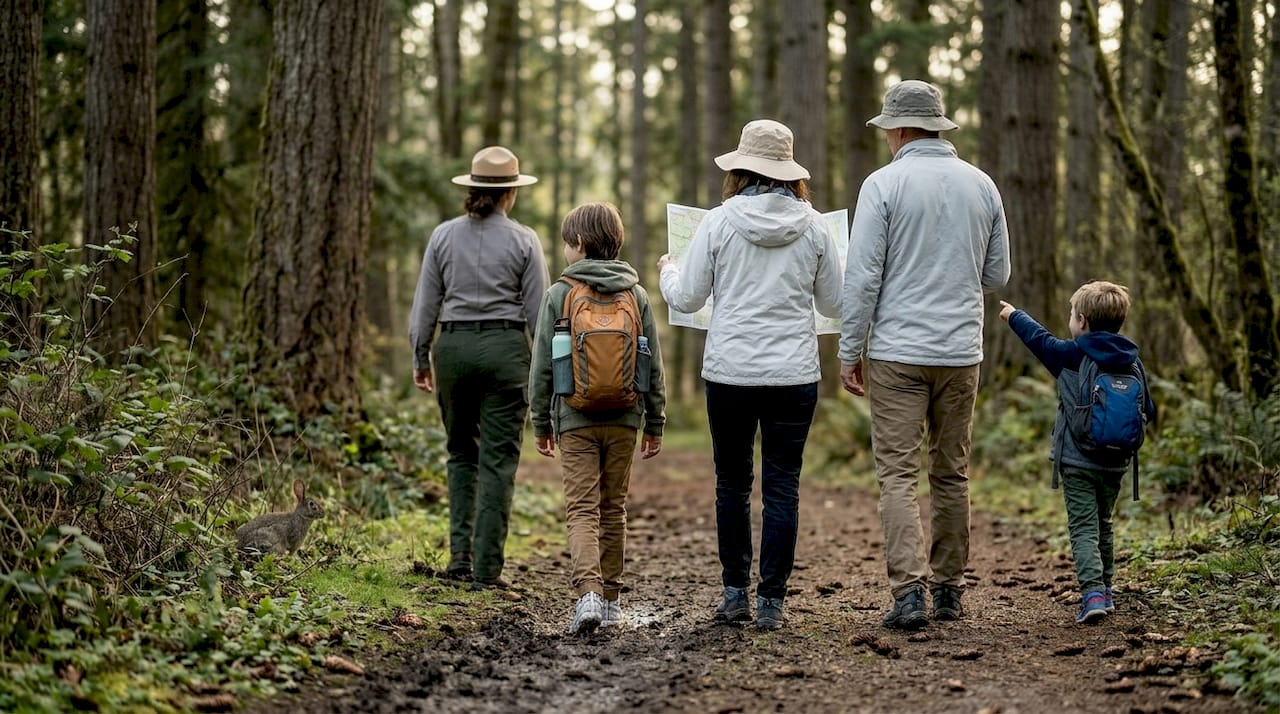
Most families come home from vacation remembering what they did together far more than where they stayed. A cooking class in Tuscany, a guided kayak through mangroves, a night safari with the kids wide-eyed in the back of a jeep. These moments stick. Yet tours are still treated as optional extras by most families, something to bolt on if there’s spare time or budget. Families increasingly prioritize experiences and guidance that create real value during travel, and that shift is changing how smart families plan their trips from the ground up.
Key Takeaways
Point
Details
Tours simplify family trips
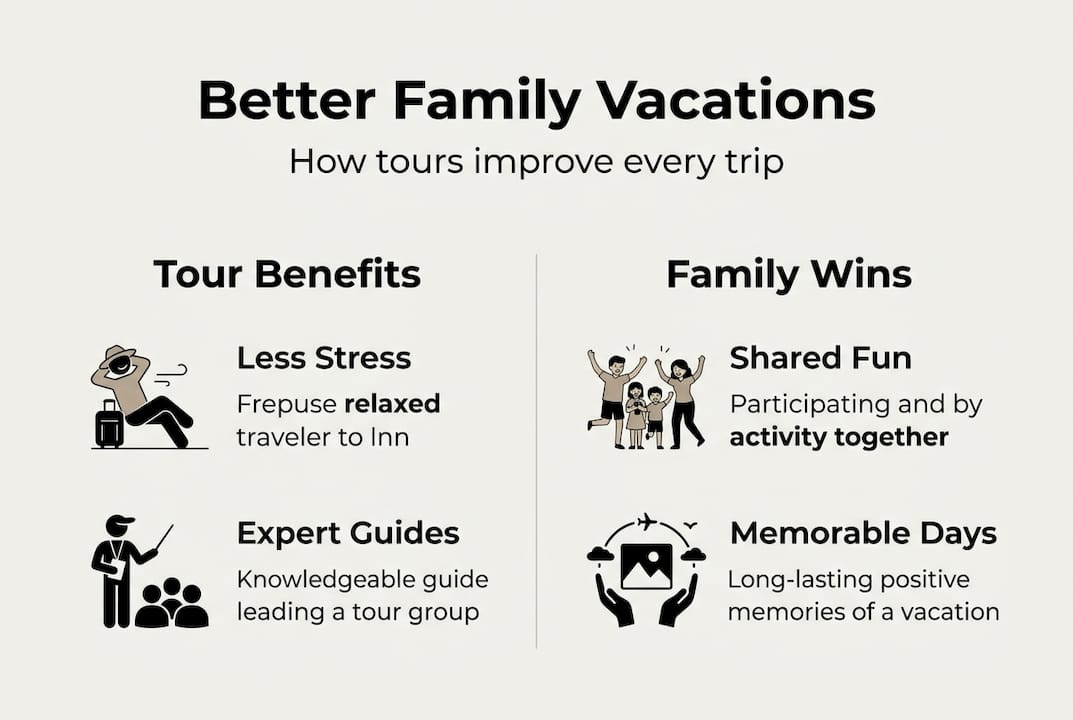
Organized tours remove guesswork and stress for parents, making vacations smoother for everyone.
Guided experiences boost learning
Tours offer hands-on educational opportunities that engage children and adults alike.
Customization meets every need
Specially designed tours can cater to multi-generational families and special needs seamlessly.
Hotels and resorts add value
Hospitality providers use tours to enhance family stays and create memorable experiences.
Why tours matter for families on vacation
Planning a family vacation is genuinely hard work. You’re juggling different ages, attention spans, energy levels, and interests, all while trying not to spend half your trip standing on a sidewalk debating where to go next. That’s exactly where tours earn their keep.
A well-designed tour removes the guesswork. Parents don’t have to research every attraction, figure out transportation, or worry about whether a site is stroller-friendly. The logistics are handled, and that matters more than most families realize until they’ve tried it. Solid family vacation planning starts with reducing the number of decisions you have to make in the moment.
Beyond logistics, tours offer something harder to quantify: guided learning. A local expert can turn a Roman ruin into a story your kids actually care about. A wildlife guide can point out a camouflaged gecko your whole group would have walked past. These moments of discovery are what make a trip feel educational without feeling like school.
Here’s what tours consistently deliver for families:
Structured itineraries that keep everyone moving without chaos
Age-appropriate activities vetted by the tour provider
Expert narration that adds context and keeps kids engaged
Built-in social time with other families in similar situations
Safety and accessibility considerations already factored in
Tours bridge the gap for multi-generational families and those with special needs, making it possible for grandparents and toddlers to share the same experience without anyone feeling left out. That’s a logistical win most families can’t easily replicate on their own.
Before you even pack, a solid family travel checklist paired with pre-booked tours can dramatically cut down on vacation-day stress.
“The best family vacations aren’t the ones where everything went perfectly. They’re the ones where you did something together that none of you will forget.”
Pro Tip: Book tours before you leave home, not at the hotel concierge desk. You’ll get better prices, more availability, and time to read reviews from other families.
Types of tours families love: An overview
Not all tours are created equal, and the right fit depends heavily on your family’s ages, energy levels, and what you actually enjoy doing together. Here’s a practical breakdown of the most popular formats.
Many travel packages in hospitality feature tours designed specifically for families, which means you’re not just booking a generic group experience and hoping for the best.
Tour type
Best for
Watch out for
Nature and wildlife tours
All ages, especially kids 5+
Long walks may tire toddlers
Culinary and food tours
Teens and adults, adventurous eaters
Picky eaters may struggle
Historical and cultural walks
School-age kids and up
Can feel slow for young children
Adventure excursions
Active families, teens
Age and fitness restrictions apply
Accessible/slow-paced tours
Seniors, special needs, mixed mobility
May cover less ground
Nature tours tend to be the most universally loved. There’s something about animals, water, and open space that works for every age. Wildlife sanctuaries, snorkeling trips, and forest hikes hit a sweet spot between active and educational.
Culinary tours are a sleeper hit with families who travel to eat. They’re usually shorter (two to three hours), manageable for most ages, and give kids a hands-on connection to local culture that a museum visit rarely achieves.
For families interested in experiential family travel, adventure excursions like zip-lining, kayaking, or cycling tours offer the kind of adrenaline-fueled bonding that becomes family legend.
Historical walks work best when the guide knows how to tell a story. A dry recitation of dates loses kids fast. But a guide who acts out a battle scene or lets kids touch a centuries-old wall? That’s a different experience entirely.
A few things to look for when comparing tour options:
Maximum group size (smaller is almost always better for families)
Whether the tour has a family-specific version
Physical requirements listed clearly upfront
Flexibility for bathroom breaks and snack stops
When you’re ready to compare options, why choose our tours walks through what separates a well-curated experience from a generic group outing.
How tours solve common family travel challenges
Every family has hit at least one of these walls on vacation: the kids are bored by noon, someone can’t keep up physically, the budget is bleeding faster than expected, or you’ve missed the best local spots because you didn’t know they existed. Tours address all of these directly.
Tours offer transparent value and help manage costs, especially in multi-generational families where individual entry fees, transport, and meals add up fast. A bundled tour often costs less than the sum of its parts.
Family challenge
How tours help
Kids losing interest quickly
Interactive, guided formats maintain engagement
Accessibility for seniors or disabilities
Tours with accessible transport and pacing
Budget unpredictability
Fixed pricing with inclusions spelled out
Missing hidden gems
Local guides know what’s not in the guidebook
Coordination across large groups
One itinerary, one meeting point, one guide
Here’s a ranked list of what tours solve most effectively:
Boredom and disengagement — structured activities with expert storytelling keep kids present
Budget surprises — upfront pricing means no unexpected costs mid-day
Missed local knowledge — guides share context that no app or map can replicate
Group coordination — one plan for everyone, regardless of age or ability
For families traveling to less familiar destinations, tours also provide a safety net. A trusted guide in an unfamiliar city reduces the anxiety of navigating alone with kids. Some destinations, like those following family-tourism solutions models, actually require guided tours as part of their entry policy, which removes the decision entirely.
Pro Tip: Use best travel planning apps to compare tour reviews before booking. Filter specifically for family reviews to get the most relevant feedback.
Choosing the right tours for your family: Practical steps
Knowing tours are valuable is one thing. Actually picking the right one for your specific family is another. Here’s a practical framework that works.
Travel advisors are key in matching tour options to a family’s unique requirements, particularly when the group includes very young children, elderly members, or anyone with specific needs.
List your family’s non-negotiables. Does someone use a wheelchair? Does your seven-year-old have a short attention span? Write these down before you search.
Match tour length to your youngest member’s stamina. Two hours is usually the sweet spot for families with kids under ten.
Read reviews from families specifically. A tour rated five stars by solo travelers may be a nightmare with a stroller.
Ask the provider directly about dietary accommodations, bathroom access, and what happens if someone needs to leave early.
Compare what’s included. Transportation, entrance fees, meals, and equipment should be clearly listed.
Check cancellation policies. Family plans change. A flexible cancellation window is worth paying slightly more for.
Book early. The best family-friendly tours fill up weeks in advance, especially during school holidays.
When evaluating providers, look for those who list their guide-to-guest ratio. Smaller ratios mean more personal attention, which matters enormously when you have a curious six-year-old asking questions every thirty seconds.
Your family packing checklist should also reflect your tour schedule. Comfortable shoes, snacks, sunscreen, and a portable charger are non-negotiable for most half-day outings.
Pro Tip: Ask tour operators if they offer a private family option. Private tours cost more but give you full control over pace, stops, and content, which is often worth it for families with very young or very particular travelers.
How hospitality providers use tours to elevate family stays
Hotels and resorts have figured out something important: families don’t just want a place to sleep. They want the whole trip to feel curated. That’s why tour integration has become a standard feature of serious family-focused hospitality.
Hospitality providers design and market tours to meet the needs of modern families, including multi-generational and special needs groups, because they’ve learned that guests who have great experiences outside the property leave better reviews and come back.
Here’s how the best family-friendly properties build tours into their offering:
Dedicated concierge teams who pre-match tours to guest profiles at check-in
On-site programming like guided nature walks, cooking classes, or craft workshops
Partnerships with local operators to offer vetted, exclusive experiences
Flexible scheduling so tours fit around nap times, meal times, and rest days
Transparent pricing bundled into packages so families aren’t surprised by extras
Some resorts go further, building their entire identity around experiential programming. A family staying at a property like this doesn’t need to plan their days at all. The structure is already there, and it’s designed to create memories.
For inspiration on what this looks like in practice, unique family-friendly inns in regions like Salzburger Land show how smaller properties can deliver deeply personalized tour experiences that large resorts often can’t match.
“The properties that families remember aren’t always the biggest or the most luxurious. They’re the ones that made the whole trip feel effortless and full.”
The trend is clear: tours are no longer an amenity. For forward-thinking hospitality brands, they’re the product.
Our take: What most families miss about tours
After years of helping families plan vacations, one pattern stands out. Most families treat tours as a backup plan. Something to book if the beach day gets rained out or the kids start complaining on day three.
That’s a mistake. A well-chosen tour isn’t a consolation prize. It’s often the single activity that generates the most conversation at dinner, the most photos, and the most requests to “do that again” on the next trip.
The families who get the most out of their vacations are the ones who build tours into the trip architecture from the start, not as filler but as anchors. One or two strong guided experiences give the whole trip a narrative. Everything else flows around them.
DIY exploration has its place. Wandering without a plan is genuinely fun. But it doesn’t replace the depth that a knowledgeable local guide adds. And for families with kids at different ages and stages, that guided structure often means the difference between a trip everyone enjoyed and one where someone was always bored or left out.
For smoother family planning, start with your tour anchors and build the rest of the itinerary around them.
Ready to plan a more memorable family vacation?
If this article has shifted how you think about tours, the next step is putting that thinking into action. Around Travel makes it easy for families to find, compare, and book tours that actually fit their needs, without spending hours on research or second-guessing every choice.
From coordinating family transportation options to browsing curated tour packages across top destinations, Around Travel brings everything into one place. You can search by destination, family size, age range, and interest to find experiences that work for your specific group. Less planning stress, more time actually enjoying the trip together.
Frequently asked questions
What types of tours are best for families with young kids?
Short, interactive tours such as nature walks, animal encounters, or cooking classes are ideal for families with younger children. Tours offer age-appropriate enrichment that appeals to all members of the family, keeping even the youngest travelers engaged.
How do I choose an accessible tour for a multi-generational family?
Look for tours described as accessible or family-friendly, and ask about transportation and activity level before booking. Tours fill the gap for multi-generational and special-needs travel with customization that standard sightseeing simply can’t offer.
Are tours more expensive than DIY sightseeing?
While tours sometimes cost more up front, they can save money through group discounts and by including extras like transportation or meals. Tours provide transparent value and often help manage costs for families traveling in larger groups.
Do hotels help guests organize tours for family vacations?
Yes, many hotels and resorts offer curated tours or work with local providers to help families plan their experiences. Hospitality providers design and connect families with tailored tours as a core part of the guest experience.
An avid traveler and seasoned writer who has journeyed across more than 40 countries, sharing his unique experiences and insights with a growing audience of adventure seekers and travel enthusiasts. With a passion for discovering hidden gems and immersing himself in diverse cultures, Jonas's travel blog combines practical tips, stunning photography, and captivating storytelling. Whether he's navigating bustling city streets or exploring remote landscapes, Jonas offers readers an authentic glimpse into the world's most fascinating destinations, inspiring them to embark on their own unforgettable journeys.
Providing You With Access To The Top Travel Destinations. Book Now and Enjoy!
TESTIMONIALS
Travelers Reviews
Planning a trip used to be a stressful event, until I found Around
Travel. The website made everything so easy and convenient and really has made
travelling a relaxing experience. I highly recommend using them.
Sam Wistan Marketing Consultant, USA
I travel a lot for business and making reservations used to take up so
much time. Around Travel offers me quick access to all my booking needs.
Jonas DuPont Investment Advisor, London
I am a spur of the moment type of girl and I like to book trips at a
whim. Around Travel always has great deals and options for me to choose from.