A structured planning process helps travelers avoid overspending before their trip.
Flexibility in dates and destinations can significantly reduce travel costs.
Smart budgeting involves tracking expenses daily, accounting for hidden fees, and maintaining flexibility.
Most travelers who blow their budget don’t do it at the destination. They do it before they even leave home, through scattered planning, ignored hidden fees, and zero flexibility. A structured workflow changes that completely. Instead of guessing and hoping, you move through each decision with purpose, catching costly mistakes before they happen. This guide walks you through a proven, step-by-step process to plan trips that are genuinely affordable without cutting corners on comfort or adventure. You’ll come away with practical tools, a realistic budget framework, and the mindset to adapt when things shift.
Key Takeaways
Point
Details
Flexibility unlocks savings
Being open with dates and destinations lets you tap into lower fares and seasonal deals.
Track and buffer your budget
Using planning tools and including a 10–20% cushion prevents financial surprises.
Balance splurges and saves
Strategically spending on what matters most while saving elsewhere delivers the best experiences for less.
Mindset matters most
Combining structure with intuitive choices makes your budget travel workflow rewarding and stress-free.
Get organized: Tools and mindset for budget planning
Every efficient budget trip starts the same way: with the right tools and a clear head. Before you search for flights or browse hotels, you need a system that keeps every detail in one place.
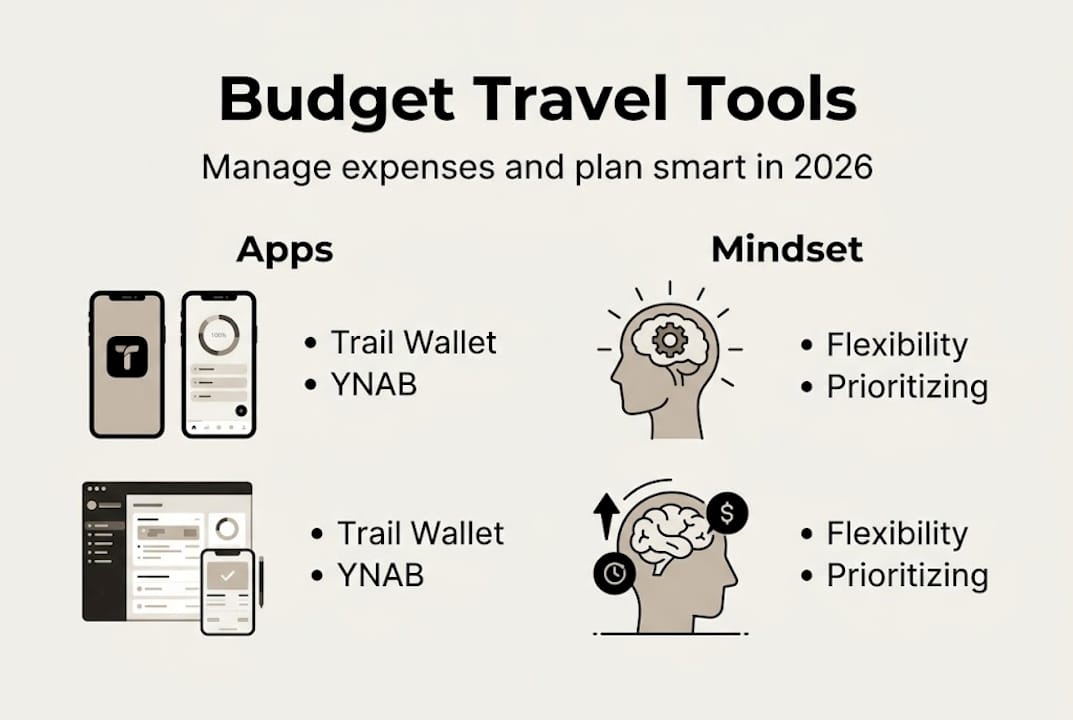
For tracking expenses, budget travel apps like Trail Wallet, YNAB, and Google Sheets are the go-to options for serious planners. Each one lets you set category limits, log spending in real time, and visualize exactly where your money is going. Google Sheets is free and endlessly customizable. YNAB adds a behavioral layer, encouraging you to assign every dollar a job before you spend it. Trail Wallet is stripped-down and mobile-first, perfect for logging a coffee or a taxi fare on the spot.
Beyond apps, the mindset matters just as much. Rigid thinking kills savings. The travelers who consistently spend less are the ones willing to
chase deals via Google Flights alerts, swap a restaurant meal for a market lunch, or shift their departure by two days to catch a lower fare.
Here’s a quick breakdown of the core tools and what they do best:
Tool
Best for
Cost
Google Sheets
Custom budget tracking
Free
YNAB
Behavioral spending control
Paid
Trail Wallet
On-the-go expense logging
Low cost
Google Flights
Fare alerts and date flexibility
Free
Before you book a single thing, create a centralized planning folder. This can be a Google Drive folder, a Notion page, or even a physical binder. Inside it, keep your budget sheet, booking confirmations, passport copies, and a running checklist.
Key setup steps:
Choose one tracking tool and commit to it
Define your primary travel goal: adventure, culture, relaxation, or a mix
Set a hard spending limit per category before researching
Create your centralized folder and start populating it
Pro Tip: Set up Google Flights price alerts the moment you have a rough destination in mind. Fares can drop 30% or more in the weeks before your ideal window, and alerts do the watching for you.
Outline your trip: Choosing destinations, dates, and non-negotiables
With your tools ready, the next step is building a flexible trip framework that works in your favor financially.
Flexibility is the single biggest lever you have. Flexible dates or destinations can yield 20 to 50% savings, and off-season travel alone can cut costs by the same margin. That’s not a small difference. On a $3,000 trip, that’s potentially $1,500 back in your pocket.
Start by comparing two or three destination options side by side. Use a table like this to make the decision visual and fast:
Destination
Avg. daily cost
Visa required
Best season
Value score
Lisbon, Portugal
$80 to $110
No (US passport)
Spring/Fall
High
Bangkok, Thailand
$50 to $80
No (30-day)
Nov to Feb
Very high
Mexico City, Mexico
$60 to $90
No
Year-round
High
Once you pick a destination, rank your experiences. Not everything deserves equal spending. A cooking class might be a non-negotiable for you. A guided museum tour might be skippable. Write it down.
How to outline your trip in order:
List three to five potential destinations with rough cost estimates
Check visa requirements and entry rules for your passport
Identify the cheapest travel window using flight comparison tools
Rank your must-have experiences versus nice-to-haves
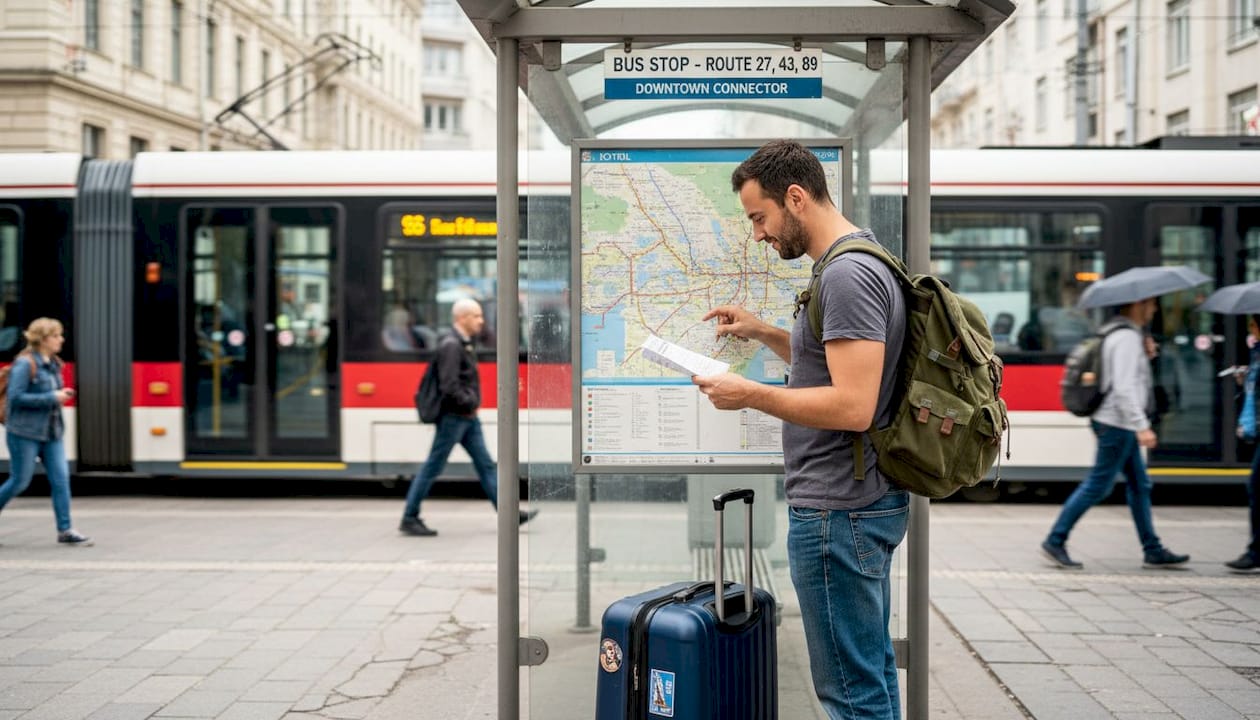
For lodging and transport, look for value first. A centrally located mid-range hotel often beats a cheap hostel on the outskirts when you factor in transport costs. Check out last-minute planning strategies if your timeline is tight, and use a custom itinerary guide to map out your days without overpacking your schedule.
Pro Tip: Search for flights using the “explore” feature on Google Flights. Enter your home airport and leave the destination blank. It shows you the cheapest fares available globally for your dates, which often reveals destinations you hadn’t considered.
Budget with precision: Creating a realistic, dynamic plan
Once your route and priorities are set, it’s time to map out a detailed, buffer-ready budget that won’t fall apart at the first surprise.
Start by listing every major expense category. Don’t skip the small ones. Here’s a solid starting framework:
Core expense categories:
Flights and ground transport (to and from destination)
Accommodation (nightly rate times number of nights)
Daily food and drink
Activities, tours, and entry fees
Local transport (metro, buses, taxis)
Communication (SIM card or international plan)
Travel insurance
Miscellaneous and personal items
Now add the costs that most people forget. Hidden fees like luggage charges, local taxes, and tips can add 20 to 30% to your total. A $200 flight becomes $260 with bag fees. A $90 hotel room becomes $115 with resort fees and taxes. These numbers compound fast.
Expense type
Typical cost
Hidden add-on
Real cost
Budget flight
$200
Bag fees: $60
$260
Mid-range hotel
$90/night
Taxes and fees: $25
$115/night
Restaurant meal
$20
Tips and service: $5
$25
For 2026, add a 10 to 20% buffer to your total budget to account for inflation and unexpected costs. This isn’t pessimism. It’s math. Prices in popular destinations are rising, and even well-planned trips hit surprises.
The smartest way to balance your budget is to identify one or two areas where you’ll splurge intentionally and cut everywhere else. Splurge on a special dinner or a once-in-a-trip experience. Save by using public transport, visiting free attractions, and cooking breakfast at your accommodation. Use stress-free trip budgeting strategies and family budget workflows if you’re traveling with others.
Pro Tip: Build your budget in two columns: planned and actual. Update the actual column daily. Seeing the gap in real time keeps you honest and lets you adjust before a small overspend becomes a big problem.
Execution: Efficient booking, tracking, and adapting on the go
Armed with your plan, it’s time to act. Booking smart means more than finding a low price. It means building in flexibility so you’re not locked into something that costs you more later.
When booking flights and accommodation, always prioritize free cancellation options when the price difference is small. A $10 premium for a refundable hotel room is worth it if your plans might shift. Set up fare alerts and check them weekly rather than obsessively refreshing prices every day.
Step-by-step execution checklist:
Book flights first using flexible date searches and fare alerts
Lock in accommodation with free cancellation where possible
Purchase travel insurance before any non-refundable bookings
Download your expense tracking app and set category limits
Research free and low-cost activities at your destination
Once you’re traveling, track every expense the same day you spend it. Don’t batch-log at the end of the week. Memory fades and small purchases get forgotten, which is exactly how budgets drift.
“Using public transport over taxis, seeking out free attractions, and aligning your spending with your actual values are the habits that separate travelers who come home with money left over from those who don’t.” Adapted from BBC Travel insights
Stay alert to dynamic pricing. Attractions, tours, and even some restaurants adjust prices based on demand. Booking a popular tour a day in advance instead of the morning of can save 15 to 25%. For families or groups, check budget trip experiences to find options that scale without breaking the bank.
Pro Tip: Keep a small “flex fund” of $50 to $100 separate from your main budget. This is your spontaneity money. A last-minute boat trip, a street food crawl, or a museum you didn’t plan for. Knowing it’s there removes the guilt and keeps the trip fun.
Here’s the uncomfortable truth most budget travel guides won’t tell you: a perfectly rigid plan can ruin a trip just as effectively as no plan at all.
We’ve seen it happen. Travelers so locked into their spreadsheet that they skip a once-in-a-decade sunset because it wasn’t in the itinerary. Or they white-knuckle through a bad hostel for three nights to save $30, then spend the rest of the trip exhausted and resentful. That’s not budget travel. That’s self-punishment with a passport.
The real power of a workflow isn’t the spreadsheet. It’s the confidence it gives you to make smart, spontaneous decisions. When you know your numbers, you can say yes to the unexpected without panic. Flexible travel planning consistently outperforms rigid advance planning in both savings and satisfaction, because it lets you respond to reality instead of fighting it.
Values-driven spending is the missing piece most budget guides ignore. Spend on what genuinely matters to you and cut ruthlessly on what doesn’t. If food is your thing, eat well and skip the overpriced tour. If adventure is your priority, camp instead of hoteling it and use the savings for an experience. Check out off-season travel insights for a real-world example of how timing and values alignment create unforgettable trips at a fraction of peak costs.
The travelers who come home happiest aren’t the ones who spent the least. They’re the ones who spent intentionally.
Ready for your next adventure?
You now have a complete workflow: the tools, the framework, the budget logic, and the mindset to travel affordably without giving up what makes a trip worth taking.
If you’re ready to put your new workflow to use, Around Travel is built to support exactly this kind of planning. Browse curated destination guides, compare travel packages, and find deals that fit your budget from flights and hotels to affordable car rentals for road trip flexibility. Whether you’re planning a solo adventure, a family escape, or a spontaneous weekend trip, Around Travel gives you the tools and options to move from idea to booked in less time and with more confidence.
Frequently asked questions
What’s the best way to track travel expenses in real time?
Use apps like Trail Wallet, YNAB, or Google Sheets to log purchases as you make them. Logging daily keeps your totals accurate and prevents budget drift.
How much extra buffer should I budget for unexpected travel costs in 2026?
Add 10 to 20% to your total to cover inflation, price increases, and last-minute surprises. This buffer is especially important for 2026 as costs in popular destinations continue to rise.
How far in advance should I book to get the best deals?
Booking with flexible dates 4 to 6 months in advance can save 20 to 50%, particularly on flights. The earlier you set fare alerts, the more options you’ll catch.
What are common hidden fees to watch for when budgeting a trip?
Watch for luggage fees, local taxes, tips, SIM cards, and activity surcharges. These extras can add 20 to 30% to your total cost if you don’t account for them upfront.
An avid traveler and seasoned writer who has journeyed across more than 40 countries, sharing his unique experiences and insights with a growing audience of adventure seekers and travel enthusiasts. With a passion for discovering hidden gems and immersing himself in diverse cultures, Jonas's travel blog combines practical tips, stunning photography, and captivating storytelling. Whether he's navigating bustling city streets or exploring remote landscapes, Jonas offers readers an authentic glimpse into the world's most fascinating destinations, inspiring them to embark on their own unforgettable journeys.
Providing You With Access To The Top Travel Destinations. Book Now and Enjoy!
TESTIMONIALS
Travelers Reviews
Planning a trip used to be a stressful event, until I found Around
Travel. The website made everything so easy and convenient and really has made
travelling a relaxing experience. I highly recommend using them.
Sam Wistan Marketing Consultant, USA
I travel a lot for business and making reservations used to take up so
much time. Around Travel offers me quick access to all my booking needs.
Jonas DuPont Investment Advisor, London
I am a spur of the moment type of girl and I like to book trips at a
whim. Around Travel always has great deals and options for me to choose from.