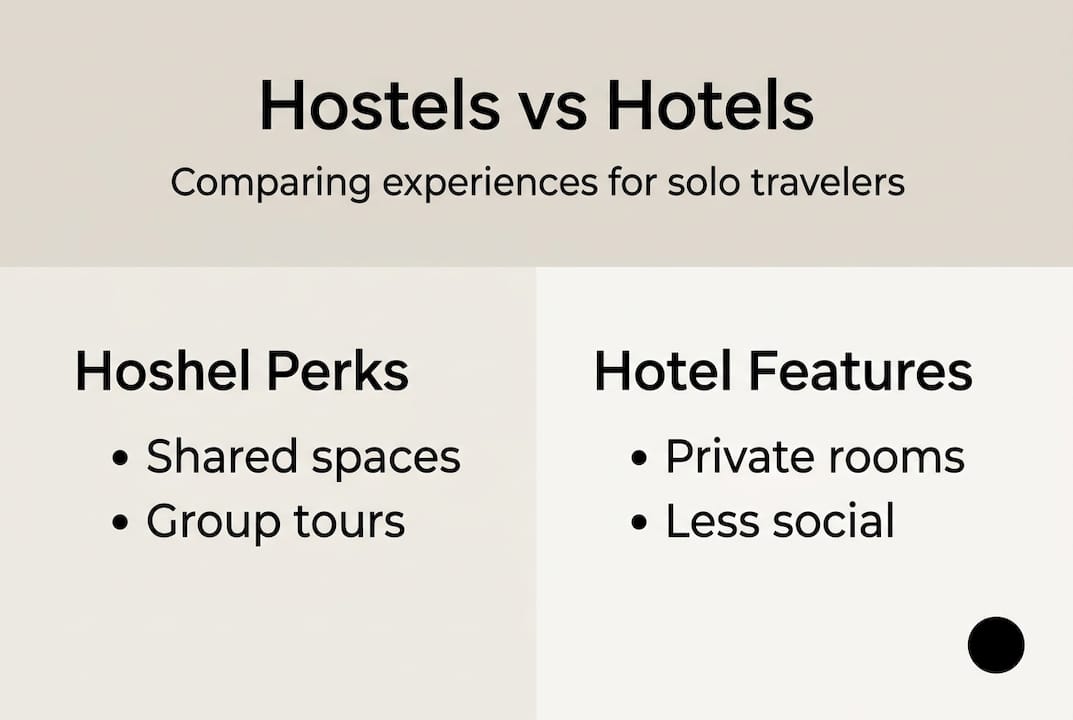
Hostels primarily attract young solo travelers seeking affordable, social adventure experiences.
Organized tours and community spaces in hostels enhance safety and foster meaningful connections.
Choosing hostels based on community activities and staff engagement offers richer adventure opportunities.
Hostels have a reputation problem. Most people picture creaky bunk beds, mystery smells, and a padlock on a rusty locker. But here’s what those people are missing: 70% of hostel guests are aged 18 to 35, and 55% of all bookings come from solo travelers. Hostels aren’t just cheap places to crash. They’re the operational center of adventure travel for an entire generation of explorers. If you’re a young adult or solo traveler looking to stretch your dollars while stacking unforgettable experiences, understanding how hostels actually work can completely change how you plan your next trip.
Key Takeaways
Point
Details
Budget advantage
Hostels allow young and solo travelers to spend more on adventures by saving on accommodations.
Built-in community
Hostels act as social hubs, making it easy to connect with travel buddies and join group adventures.
Organized activities
Many hostels organize tours and events that support authentic local immersion and safe exploration.
Not for everyone
Travelers valuing privacy or comfort should weigh if hostel culture fits their style and consider alternatives.
How hostels enable budget adventure travel
The math behind hostel travel is almost unfair in your favor. A private hotel room in a major city like Bangkok, Lisbon, or Medellín can run you $80 to $150 per night. An Airbnb in the same neighborhoods often lands between $60 and $120. A hostel dorm bed? Anywhere from $8 to $25. That gap adds up fast across a two-week trip, and every dollar saved on a bed is a dollar you can spend zip-lining, kayaking, or booking a cooking class with a local chef.
Accommodation Type
Average Nightly Cost
Privacy Level
Social Opportunity
Hotel (mid-range)
$80–$150
High
Low
Airbnb
$60–$120
Medium
Low
Hostel (private room)
$25–$50
High
Medium
Hostel (dorm bed)
$8–$25
Low
Very High
The global hostel market was valued at $6.04 billion in 2023 and is growing at a compound annual rate of 9.2%. That growth isn’t accidental. It reflects a real shift in how young people think about travel. They’re not saving up for luxury rooms. They’re saving up for experiences, and hostels make that possible. In fact, 44% of solo travelers specifically choose hostels so they can redirect funds toward activities and adventures.
Here’s a quick look at what that freed-up budget typically goes toward:
Adventure tours and guided excursions (hiking, diving, rafting)
Local food experiences (street food, cooking classes, market tours)
Transportation between destinations (buses, trains, ferries)
Day trips and cultural activities (temple visits, city tours, museum passes)
If you’re curious about what great budget design looks like without sacrificing atmosphere, check out these affordable design hostels in Bangkok for a real-world example of the new hostel standard. And if you want to understand where adventure travel is heading more broadly, the trending adventure travel concepts shaping 2026 offer solid context.
The social engine: Hostels as community hubs
Here’s something most budget travel guides don’t say clearly enough: the social infrastructure of a hostel is as valuable as the price tag. A whopping 93% of solo hostel travelers actively choose hostels because they want to meet other people. That’s not a side effect. That’s a core feature.
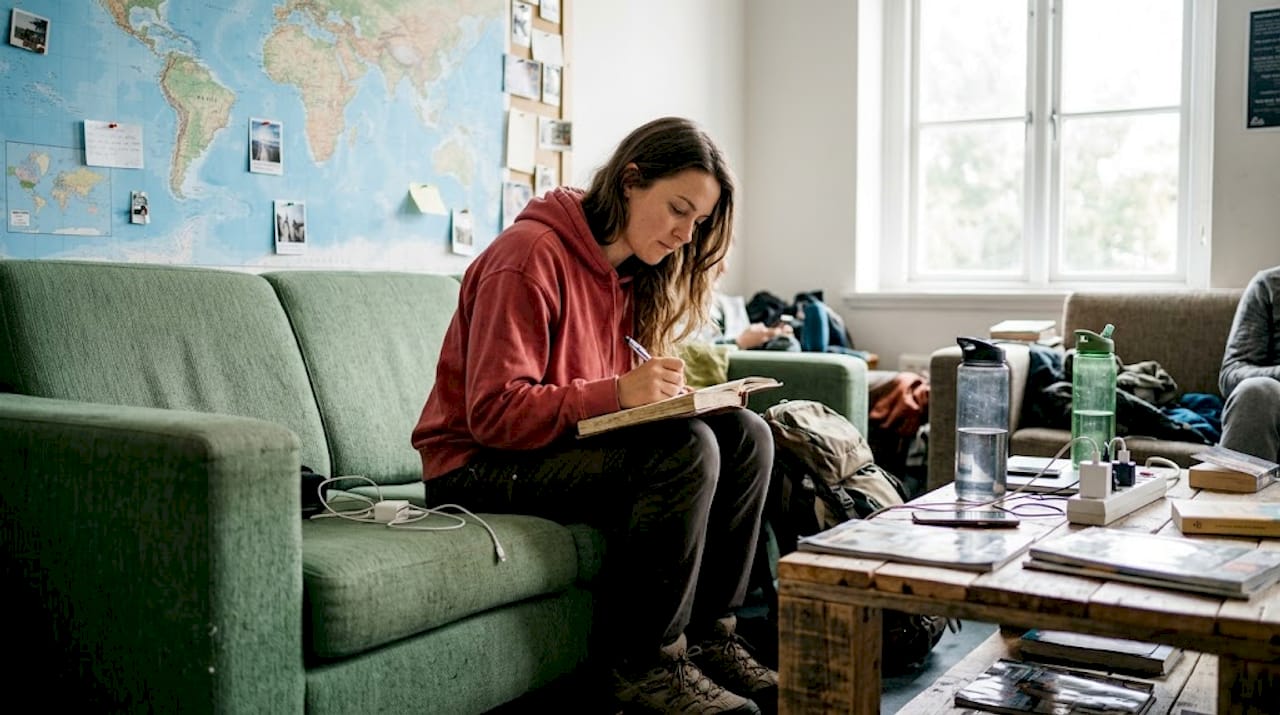
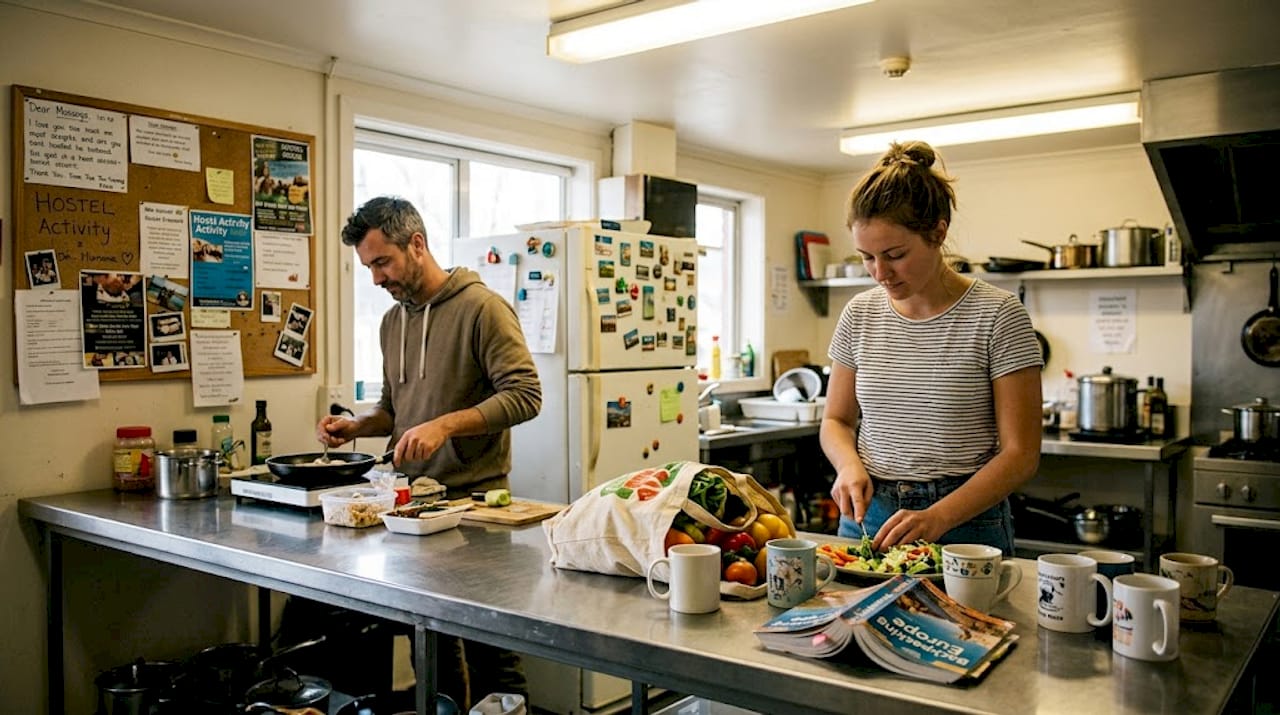
Common areas in hostels function like an airport departure lounge, except everyone there has great taste in destinations and is willing to share their itinerary. Kitchen tables turn into trip planning sessions. Rooftop bars become the starting point for group hikes. A chance conversation at breakfast leads to a four-person crew tackling a volcano together by noon.
For solo travelers, this community element solves a practical problem: safety and logistics get easier in groups. Splitting a taxi, sharing a tour guide, or watching each other’s bags at a beach all become simple when you’ve got travel companions. According to solo travel preferences research, 71% of solo travelers specifically want to form connections during their trips, and hostels are the most efficient environment to make that happen.
“The hostel common room is the most underrated travel resource in the world. You’ll find someone who just came from where you’re going and someone who’s about to head exactly where you’ve been.” — Seasoned hostel traveler
Beyond the practical side, shared experiences build a specific kind of travel memory. Adventures you share with strangers who become friends have a different weight than solo ones. For a deeper look at how immersive social experiences shape travel, the experiential travel guide is worth reading. If you’re drawn to places that go beyond the tourist trail, authentic offbeat destinations are where hostel social networks really shine.
Pro Tip: If you’re an introvert, don’t wait for someone to approach you. Pick one communal activity, like the hostel’s free walking tour or a group dinner, and just show up. One structured event is all it takes to break the ice naturally.
Organized adventures and local immersion
One of the most underestimated features of modern hostels is their role as adventure organizers. This isn’t a side hustle for the front desk staff. It’s a core part of the business model. 50% of hostel guests join at least one organized tour or group event during their stay.
Here’s a look at the types of adventures hostels commonly organize:
City walking tours led by locals or long-term travelers
Hiking and nature excursions to nearby trails, parks, or viewpoints
Pub crawls and nightlife tours through local neighborhoods
Cultural workshops like cooking, language, or craft classes
Day trips to surrounding towns, beaches, or landmarks
Group dinners at local restaurants or in the hostel kitchen
Adventure Type
Hostel Organized
DIY Exploration
Cost
Often free or discounted
Variable, often higher
Social element
Built-in group
Solo by default
Local knowledge
Guided by insiders
Requires research
Flexibility
Fixed schedule
Fully flexible
Safety
Group dynamics
Individual responsibility
Hostel tours give you something a solo booking rarely does: insider context. A local guide hired by a hostel knows which waterfall is worth the two-hour hike and which one is just a photo trap. They know which market stall serves the best food. That kind of ground-level knowledge is what turns a good trip into a great one.
For a full breakdown of how to plan adventure itineraries strategically, the ultimate adventure travel guide covers everything from gear to route planning. And if you need tools to coordinate your schedule, these adventure planning apps are practical for on-the-go logistics.
Pro Tip: When you check in, immediately scan the events board (physical or app-based). Sign up for something on day one, before you’ve settled into a solo routine. It’s much harder to join group energy once you’ve already established a solo rhythm.
Is hostel adventure for everyone? Considerations and alternatives
Honesty matters here. Hostels are not universally great for every traveler in every situation. Knowing when to use them and when to pass is part of being a smart adventurer.
Hostel stays work best for flexible, socially open travelers who can adapt to shared spaces and variable noise levels. They’re significantly less comfortable for people who need deep sleep routines, complete privacy, or specific standards of cleanliness and order.
Here’s a practical breakdown:
When hostels are a great fit:
You’re solo and actively want to meet people
You’re on a tight budget and want to maximize activity spend
You plan to spend most of your time exploring, not in your room
You’re staying in a destination for 2 to 5 nights
You’re open to spontaneous plans and flexible schedules
When to consider alternatives:
You’re traveling as a couple and value privacy
You’re on a work trip or need consistent, quiet rest
You have strong preferences about hygiene or personal space
You’re visiting for a special occasion where comfort matters
“Hostels are a travel strategy, not just a budget decision. The traveler who gets the most from them is the one who leans into the communal model, not the one tolerating it.” — The Worldly Travels
For travelers who find dorms too chaotic, private rooms within hostels offer a solid middle ground. You get the social atmosphere and community events without the shared sleeping space. Alternatively, blending a few hostel nights with a mid-range hotel stay can help you reset and recharge. For multi-stop trips, the guide on multi-country adventure value is a smart resource for figuring out where hostels fit into a longer route. If you’re still weighing the tradeoffs, this breakdown of hostel comfort vs. cost adds useful perspective.
Our take: What most guides miss about hostels and adventure travel
Most hostel guides are really just price comparison articles with bunk bed photos. They zero in on cost, compare dorm rates, and call it a day. But the real case for hostels has almost nothing to do with price per night.
The memories that stick from adventure travel are almost never about where you slept. They’re about the Argentine guy you hiked with who knew every shortcut on the trail. They’re about the spontaneous group dinner that turned into a three-hour conversation about life. Those moments don’t happen in a private hotel room. They happen in hostel kitchens, on rooftop terraces, and during group tours organized by staff who actually care.
We think smart travelers should stop treating hostel selection as a cost optimization exercise and start treating it as a social curation exercise. Look for hostels with active events boards, strong staff engagement, and reviews that mention community over amenities. The ultimate adventure strategy isn’t about spending the least. It’s about extracting the most.
Pro Tip: When reading hostel reviews, filter for mentions of “staff” and “events” before you look at the price. A hostel that scores high on those two factors will almost always deliver a richer adventure experience than the cheapest option on the list.
Plan your next adventure with Around Travel
You’ve now got a sharper picture of how hostels work as adventure platforms, not just places to sleep. The next step is putting that knowledge into action with the right tools.
Explore adventure travel with Around Travel and tap into curated destination guides, hostel recommendations, and full trip planning resources built specifically for young and solo explorers. Whether you need to lock in accommodations, sort out your route, or arrange affordable travel car rentals to reach remote adventure spots, Around Travel has the tools to make it happen. We’re here to help you build the kind of trip where the hostel is just the beginning.
Frequently asked questions
Why are hostels popular among solo adventure travelers?
Hostels offer affordable rates, built-in community, and organized group tours that make them ideal for solo adventurers. With 93% of solo guests actively choosing hostels to meet people, the social network is as valuable as the savings.
What types of organized activities do hostels typically offer?
Common hostel activities include city walking tours, hiking outings, pub crawls, group dinners, and cultural workshops. Roughly 50% of guests participate in at least one organized event during their stay.
Are hostels safe for young and solo travelers?
Hostels promote safety through group dynamics and community-focused environments, where travelers naturally watch out for each other. That said, social safety nets work best when you stay aware of your surroundings and use basic travel precautions.
What are alternatives if I don’t like hostels’ communal style?
Private rooms within hostels, boutique guesthouses, and small hotels with social programs offer a good middle ground, giving you more personal space while still connecting you to local travel energy.
An avid traveler and seasoned writer who has journeyed across more than 40 countries, sharing his unique experiences and insights with a growing audience of adventure seekers and travel enthusiasts. With a passion for discovering hidden gems and immersing himself in diverse cultures, Jonas's travel blog combines practical tips, stunning photography, and captivating storytelling. Whether he's navigating bustling city streets or exploring remote landscapes, Jonas offers readers an authentic glimpse into the world's most fascinating destinations, inspiring them to embark on their own unforgettable journeys.
Providing You With Access To The Top Travel Destinations. Book Now and Enjoy!
TESTIMONIALS
Travelers Reviews
Planning a trip used to be a stressful event, until I found Around
Travel. The website made everything so easy and convenient and really has made
travelling a relaxing experience. I highly recommend using them.
Sam Wistan Marketing Consultant, USA
I travel a lot for business and making reservations used to take up so
much time. Around Travel offers me quick access to all my booking needs.
Jonas DuPont Investment Advisor, London
I am a spur of the moment type of girl and I like to book trips at a
whim. Around Travel always has great deals and options for me to choose from.