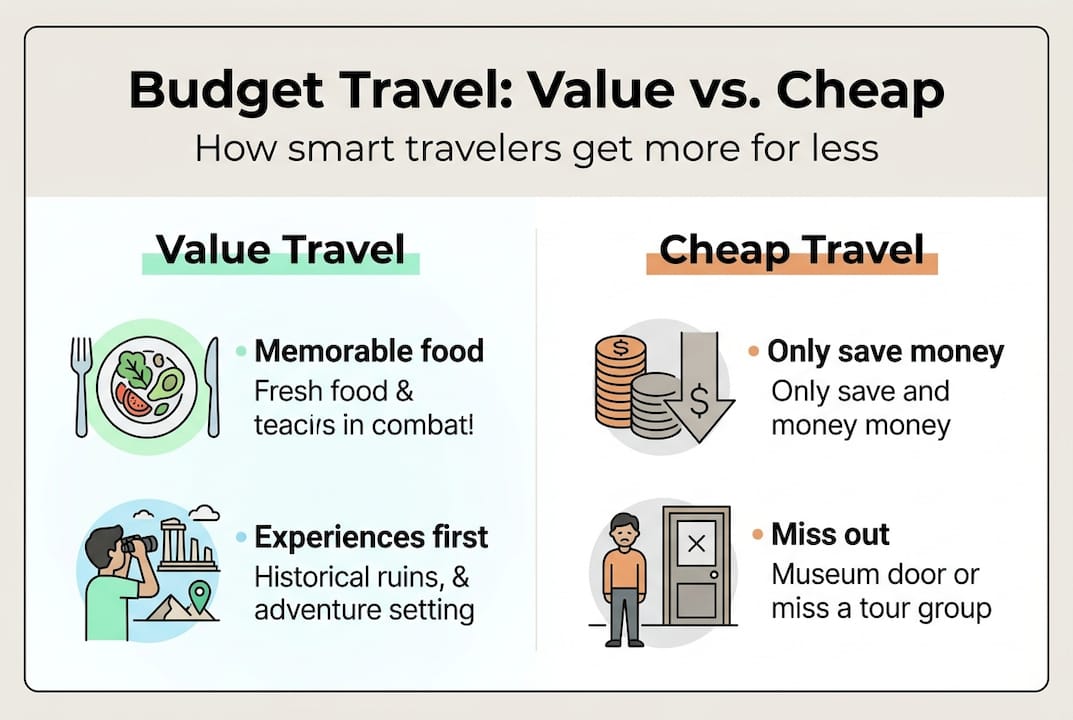
Budget travel emphasizes value and experiences over minimal spending without sacrificing safety.
Flexibility and strategic planning significantly reduce costs and enhance travel enjoyment.
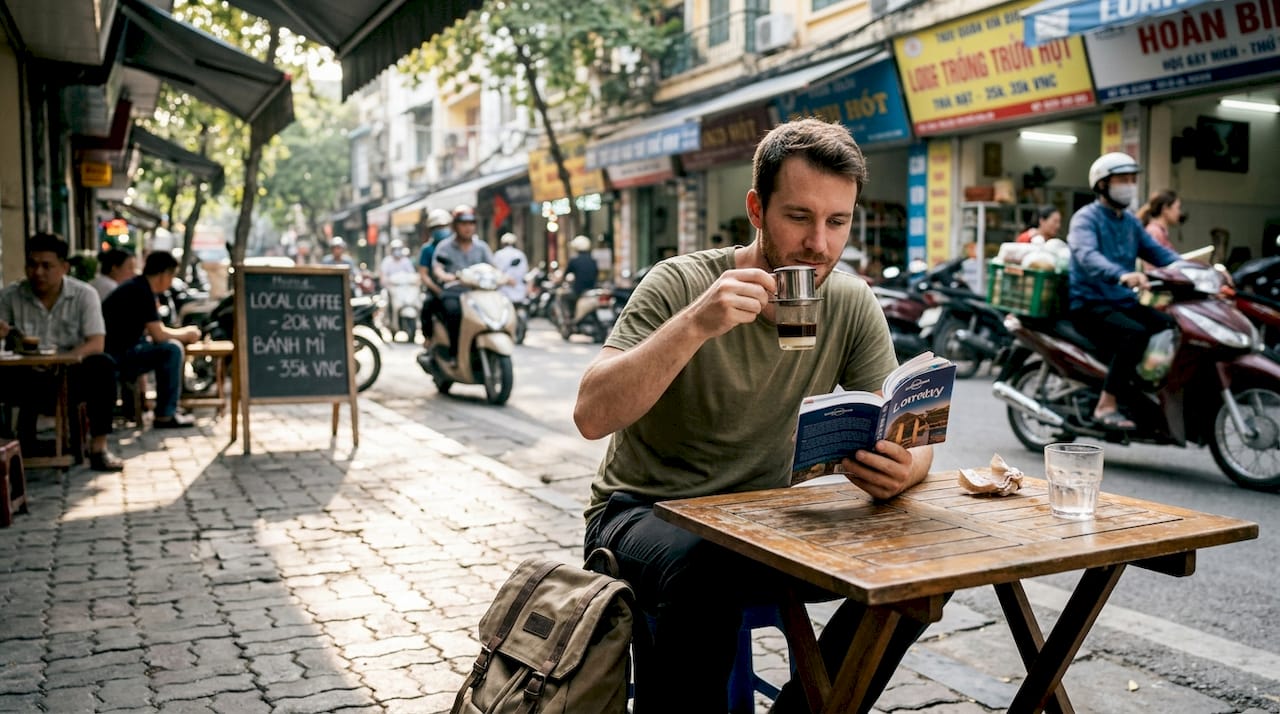
Regions like Southeast Asia offer affordable options with daily costs as low as $15-40.
Most people assume budget travel means sleeping in cramped rooms, skipping restaurants, and white-knuckling through every purchase. That’s wrong. Budget travel means maximizing value for money and prioritizing experiences over luxury, without sacrificing safety or enjoyment. The real shift isn’t in your wallet. It’s in your mindset. When you stop chasing the cheapest option and start chasing the best value, everything changes. This guide breaks down what budget travel actually means, what it costs across different regions, and how to get more out of every dollar you spend on the road.
Key Takeaways
Point
Details
Value beats price
Budget travel is about maximizing value, not just finding the lowest prices.
Flexible strategies save
Being open to different dates, destinations, and lodging methods unlocks big savings.
Real budgets, real fun
You can travel adventurously on $15-40/day in SE Asia, or $40-80 in Europe.
Plan with purpose
Allocating your budget to what matters most maximizes enjoyment and memories.
Expert tools help
Using planning apps, alerts, and travel guides makes budget trips efficient and easy.
What budget travel really means
Budget travel gets a bad reputation. People picture overbooked hostels, mystery-meat street food, and long bus rides sitting next to a live chicken. Reality? Most experienced budget travelers will tell you those moments become the best stories.
“Budget travel is traveling affordably by maximizing value for money, prioritizing experiences over luxury, without sacrificing safety or enjoyment.”
The core idea is simple: spend intentionally, not minimally. Budget travel isn’t about depriving yourself. It’s about deciding what actually matters to you on a trip and putting your money there.
Here are some common myths worth busting:
Myth: Budget travel means poor quality. Not true. Many affordable guesthouses are cleaner and friendlier than overpriced chain hotels.
Myth: It’s only for young backpackers. Families, couples, and solo travelers of all ages travel on tight budgets every day.
Myth: You’ll miss the best experiences. Some of the best experiences, local markets, hiking trails, festivals, cost almost nothing.
Myth: It’s unsafe. Smart planning makes affordable travel just as safe as expensive trips.
The real difference between smart spending and just being cheap comes down to priorities. A budget traveler might stay in a no-frills guesthouse to free up money for a once-in-a-lifetime cooking class or a boat tour through a national park. That’s a strategic trade-off, not a sacrifice.
One of the most effective approaches is staying longer in affordable destinations. Instead of rushing through five cities in ten days, spend two weeks in one affordable country and go deeper. You save on transport, get better accommodation deals, and experience a place rather than just photographing it. If you’re planning a multi-country adventure, the same principle applies: build your route around value-rich destinations rather than just distance.
Now that you know budget travel is about value, let’s explore what it looks like in practice.
Core strategies for traveling on a budget
With the basics covered, let’s break down the top tactics smart travelers use to cut costs.
Flexibility is the single most powerful tool in your budget travel kit. Flexible dates and destinations can unlock major savings on flights and accommodations. Shifting a flight by even two days can cut the price in half. Choosing a destination that’s slightly less famous than the big-name alternative can save you hundreds.
Here’s a quick comparison of high-cost versus budget-friendly choices:
High-cost choice
Budget-friendly alternative
Potential savings
Peak season flights
Off-season or shoulder travel
20-40% on flights
Tourist-area restaurants
Local neighborhood spots
50-70% on meals
Name-brand hotel
Hostel or guesthouse
60-80% on lodging
Taxis everywhere
Public transit and walking
80-90% on transport
Rushed multi-city tours
Longer stay in one region
Significant overall
Here are the top strategies in order of impact:
Set fare alerts. Use Google Flights or similar tools to track prices and book when they drop.
Book accommodations early or last-minute. Both extremes often beat mid-range timing.
Stay in hostels, guesthouses, or try housesitting. These options cut lodging costs dramatically. Bangkok, for example, has incredible design hostels that are both affordable and stylish.
Use public transportation. Trains, buses, and metro systems are almost always cheaper than taxis or rideshares.
Eat where locals eat. Street food and neighborhood restaurants offer authentic food at a fraction of tourist-spot prices.
Fill your days with free activities. Museums with free days, hiking, beaches, city walks, and local events cost little to nothing.
Pro Tip: Avoid locking yourself into fixed plans too early. Fixed dates and dream-spot commitments are the fastest way to inflate your costs. Build in flexibility and you’ll almost always find a better deal.
Understanding strategies is great, but what do the numbers really look like?
Budget travel costs vary widely by region, and knowing the real numbers helps you set expectations instead of getting blindsided. Here’s what typical daily spending looks like across major travel regions:
Hostel/guesthouse, street food, local transit, 1 activity
Europe (backpacker level)
$40-80 per day
Hostel dorm, cheap meals, public transit, free sights
USA (ultra-budget)
$80-140 per day
Budget motel, groceries, limited dining out
USA (average vacation)
~$324 per day
Based on ~$2,268 per person per week
Those Southeast Asia numbers are the reason so many long-term travelers gravitate there. At $20 to $30 a day in Vietnam or $18 to $25 in Laos, your money stretches remarkably far. You can eat well, sleep comfortably, and still have budget left for memorable experiences.
Key stat: The average American vacation costs roughly $2,268 per person per week. That same budget could fund six to eight weeks of travel in Southeast Asia at a comfortable level.
Several factors push costs up or down within any region:
Season: Peak tourist season means higher prices everywhere. Shoulder season is the sweet spot, decent weather with lower prices.
Comfort level: Moving from dorm beds to private rooms roughly doubles lodging costs.
Location within a country: Capital cities and tourist hubs cost more than smaller towns and rural areas.
Activities: One splurge experience like a diving course or a cooking class can add $50 to $100 to a single day’s budget.
When you understand these benchmarks, you can plan realistically. You’ll also want to keep up with 2026 travel trends since emerging destinations often offer the best value before they become widely popular.
Maximizing value: Enjoying more while spending less
With cost clarity established, how can you maximize your travel value on any budget?
The answer isn’t always to spend less. Sometimes it means spending differently. Longer stays in affordable destinations like Southeast Asia let you access more adventure and depth without spending more overall. You trade frequent flights and constant check-ins for real immersion.
Here’s how to get more out of every travel dollar:
Define your trip’s purpose first. Are you there for food, nature, culture, or adventure? Allocate your budget accordingly and splurge on what matters most.
Use free resources. Local tourism boards, travel blogs, and apps often list free walking tours, public beaches, and no-cost cultural events.
Talk to locals and other travelers. The best restaurant, the hidden viewpoint, the free festival happening this weekend. You’ll never find these in a guidebook.
Stay flexible for unexpected opportunities. A last-minute boat trip, a market you didn’t know existed, a free concert in the park. These happen when you’re not over-scheduled.
Track your spending as you go. Apps like Trail Wallet or Trabee Pocket let you see exactly where your money goes so you can adjust in real time.
Pro Tip: Set up Google Flights price alerts for your target destinations three to six months out. Prices often dip dramatically for short windows, and an alert means you catch it without obsessively checking.
The difference between maximizing value and simply spending the least possible is important. A traveler who eats only instant noodles to save money but misses the incredible local food scene hasn’t really traveled well. They’ve just been cheap. To design memorable journeys on a budget, it helps to think in terms of priorities, not restrictions. You can also use custom travel planning tools to map out a trip that puts your dollars exactly where they’ll create the most satisfaction.
The real secret to budget travel: Why value beats cheapness every time
Here’s what most budget travel articles won’t tell you: the biggest mistake isn’t overspending. It’s under-thinking.
Travelers who obsess over finding the absolute cheapest everything often end up with a miserable trip. They book the $8 hostel bed that’s 45 minutes from everything, take three connections instead of one to save $30, and skip the experience they actually came to have because it costs $25. That’s not budget travel. That’s false economy.
The smarter approach is to treat your travel budget like an investment. What will give you the best return in memories, experiences, and genuine satisfaction? Post-COVID travel costs have risen across the board, but flexibility and off-season travel still save travelers 20 to 40 percent compared to peak pricing. That’s real money to redirect toward what you actually care about.
Our take at Around Travel: the most satisfied budget travelers we see are the ones who do the research upfront, define what matters to them, and then spend without guilt in those areas. They use a stress-free planning guide to structure their trip rather than winging it and overpaying at every turn. Reframe budget travel not as restriction, but as intention. You’re choosing where your money goes, and that’s a powerful position to be in.
Plan your next affordable adventure with Around Travel
Ready to put these ideas into action? Around Travel gives you everything you need to turn smart planning into real trips.
From destination guides and curated itineraries to booking tools for flights, hotels, and tours, the platform is built for travelers who want to get the most out of every dollar. Whether you’re mapping out a Southeast Asia trip on $30 a day or building a European adventure on a tight two-week budget, you can plan your budget trip with personalized recommendations at your fingertips. You can also find affordable car rentals to keep your ground transport costs manageable wherever you land. Smart travel starts with smart planning, and Around Travel makes both easy.
Frequently asked questions
How is budget travel different from cheap travel?
Budget travel focuses on maximizing value and meaningful experiences, while cheap travel just minimizes spending, often at the cost of enjoyment or safety.
What is the average daily cost of budget travel in Europe?
European backpackers typically spend $40-80 per day, depending on the country, accommodation type, and dining choices.
How do I find cheap flights for budget travel?
Be flexible with dates and destinations, set up fare alerts on Google Flights, and use advance booking strategies or points and miles to reduce airfare costs.
What are some alternatives to hotels for budget travelers?
Hostels, guesthouses, housesitting platforms, and short-term rentals are all budget-friendly lodging options that can cut accommodation costs significantly.
Is budget travel safe?
Yes. With careful research and smart planning, affordable travel can be just as safe as any luxury trip, often because budget travelers tend to plan more carefully.
An avid traveler and seasoned writer who has journeyed across more than 40 countries, sharing his unique experiences and insights with a growing audience of adventure seekers and travel enthusiasts. With a passion for discovering hidden gems and immersing himself in diverse cultures, Jonas's travel blog combines practical tips, stunning photography, and captivating storytelling. Whether he's navigating bustling city streets or exploring remote landscapes, Jonas offers readers an authentic glimpse into the world's most fascinating destinations, inspiring them to embark on their own unforgettable journeys.
Providing You With Access To The Top Travel Destinations. Book Now and Enjoy!
TESTIMONIALS
Travelers Reviews
Planning a trip used to be a stressful event, until I found Around
Travel. The website made everything so easy and convenient and really has made
travelling a relaxing experience. I highly recommend using them.
Sam Wistan Marketing Consultant, USA
I travel a lot for business and making reservations used to take up so
much time. Around Travel offers me quick access to all my booking needs.
Jonas DuPont Investment Advisor, London
I am a spur of the moment type of girl and I like to book trips at a
whim. Around Travel always has great deals and options for me to choose from.